

Top Pro-Tips

Water deeply but infrequently to encourage deep root growth: apply 2.5 cm (1”) of water every week to 10 days unless it rains.
Do not cut grass too short. Set your blade at 8 cm (3”) or higher. Use a sharp blade and mow often. This could mean twice a week in Spring.
Leave clippings on the lawn when you mow. This will provide up to 50% of your lawn's need for nitrogen. Mulch mulch mulch!
Top dress your lawn with 1 cm of compost or 50/50 every year. This can be combined with over-seeding.
Thatch that is thicker than 1.5 cm (1/2") can impede the flow of water, air and nutrients into the soil. Power rake only when necessary.
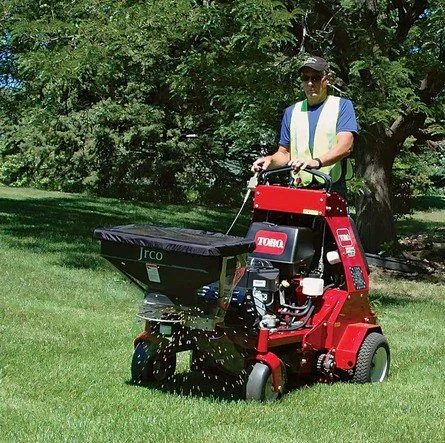
Fertilizer
“Do not fertilize in the fall on the prairies or far north because lush grass may not harden off properly for winter” - USASK
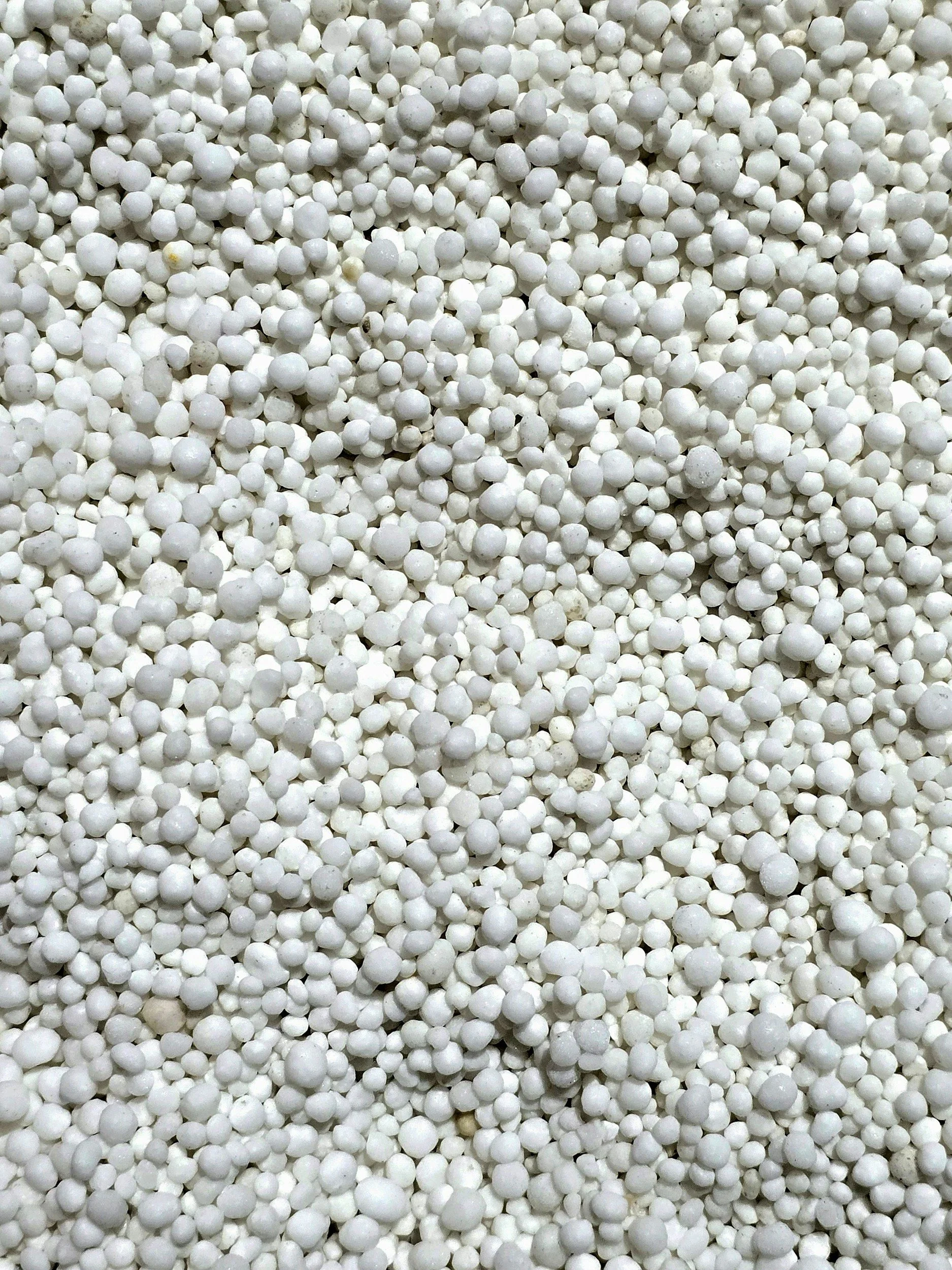
Fertilize in spring after the grass is actively growing and has been cut at least twice.
Basic Fertilizer Application:
May 12-23
June 23 - July 4
August 11-22
(N)-(P)-(K)
Nitrogen-Phosphate-Potassium
(N)-(P)-(K)-(S)-(FE)
Nitrogen-Phosphate-Potassium-Sulphur-Iron
Nitrogen (N)
Promotes green colour
Drives leaf and blade growth
Thickens and fills in the lawn
Phosphorus (P)
Builds strong roots
Helps new seed establish
Aids recovery from stress
Potassium (K)
Improves drought tolerance
Strengthens against disease
Helps lawn survive winter
Sulphur (S)
Improves nutrient uptake
Helps make nitrogen more effective
Enhances soil health
Aids iron availability (better colour)
Iron (Fe)
Deepens green colour
Boosts chlorophyll production
Enhances appearance without extra growth